
What to Expect at Your First Eye Exam at Optometric Associates of Southern Maine
Here is a straightforward look at what happens when you come in to see us at Optometric Associates of Southern Maine.
What to Expect at Your First Eye Exam at Optometric Associates of Southern Maine
If it has been years since your last eye exam — or if you have never had one as an adult — knowing what to expect can make all the difference between dreading the appointment and actually looking forward to it. The truth is that a comprehensive eye exam is one of the most informative health appointments you can have. It takes less than an hour, it is comfortable, and it tells us a great deal not just about your vision but about your overall health. Here is a straightforward look at what happens when you come in to see us at Optometric Associates of Southern Maine.
Before You Arrive
When you schedule your appointment, our team will let you know what to bring: your current glasses or contact lenses if you have them, your insurance card, and any information about medications you take. If you wear contact lenses, you may be asked to switch to glasses for a day or two before your exam so we can get the most accurate measurements of your vision and the surface of your eye.
New patients will fill out a brief health history form. This covers your personal and family history of eye conditions, any general health conditions, such as diabetes or high blood pressure, and any symptoms you may currently be experiencing. Do not hesitate to mention anything that has been bothering you, even if it seems minor — dry eyes, headaches after reading, or occasional blurriness are all worth discussing.
The Welcome and Health History Review
When you arrive, you will be greeted by our staff and checked in. One of our doctors or a trained technician will sit down with you to review your health history, discuss your vision goals, and listen to any concerns you have brought with you. We take this seriously. Our practice is built around giving patients time to talk and ask questions, not rushing them through.
Pre-Exam Testing
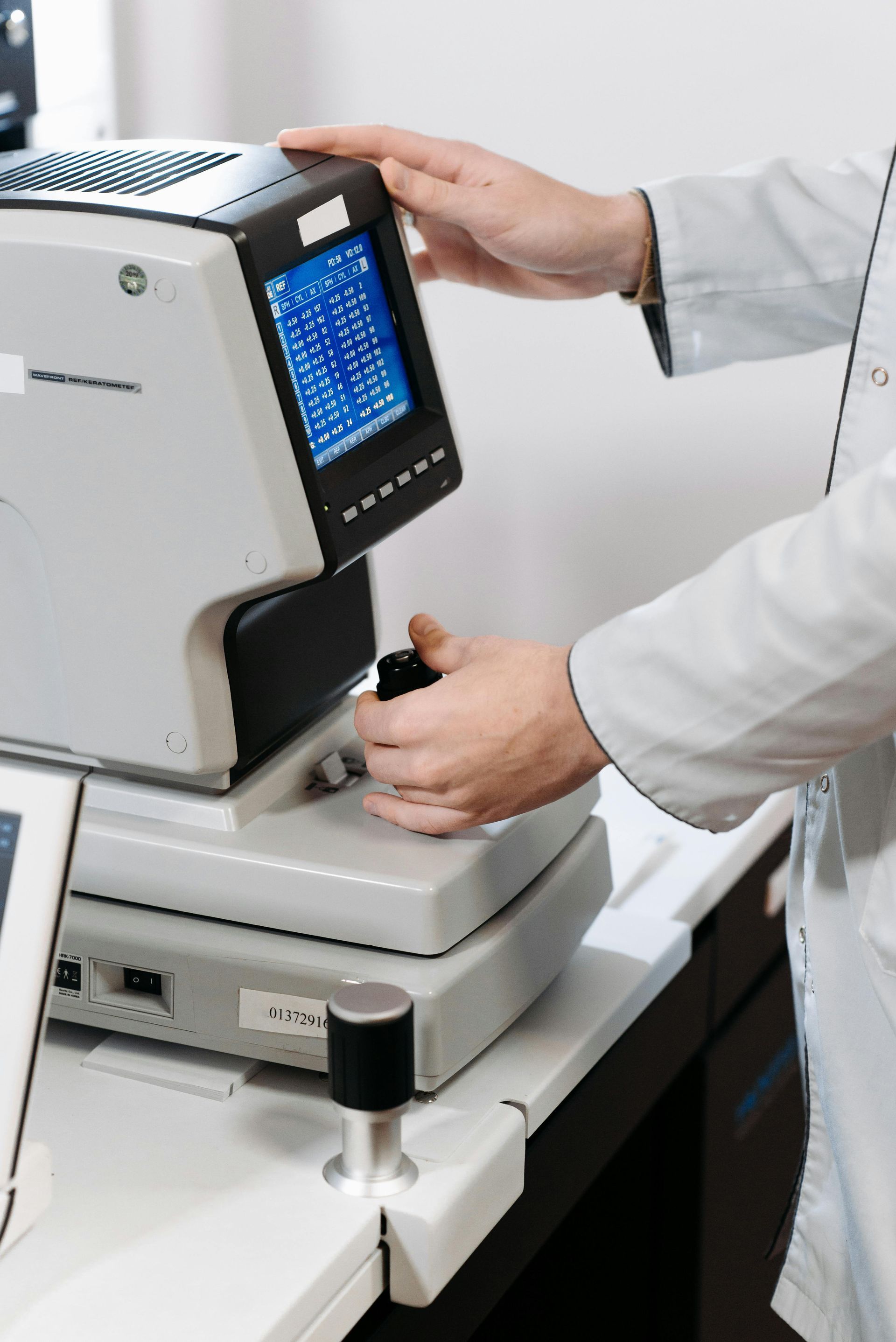
Before you see the doctor, a technician will perform a series of preliminary tests to establish an important baseline. These typically include a measurement of your current visual acuity — how well you can see at distance and up close — as well as a measurement of the pressure inside your eye, which helps screen for glaucoma. We will also assess how your pupils respond to light and may check your peripheral vision and color vision, depending on your history and age.
Advanced Imaging Technology
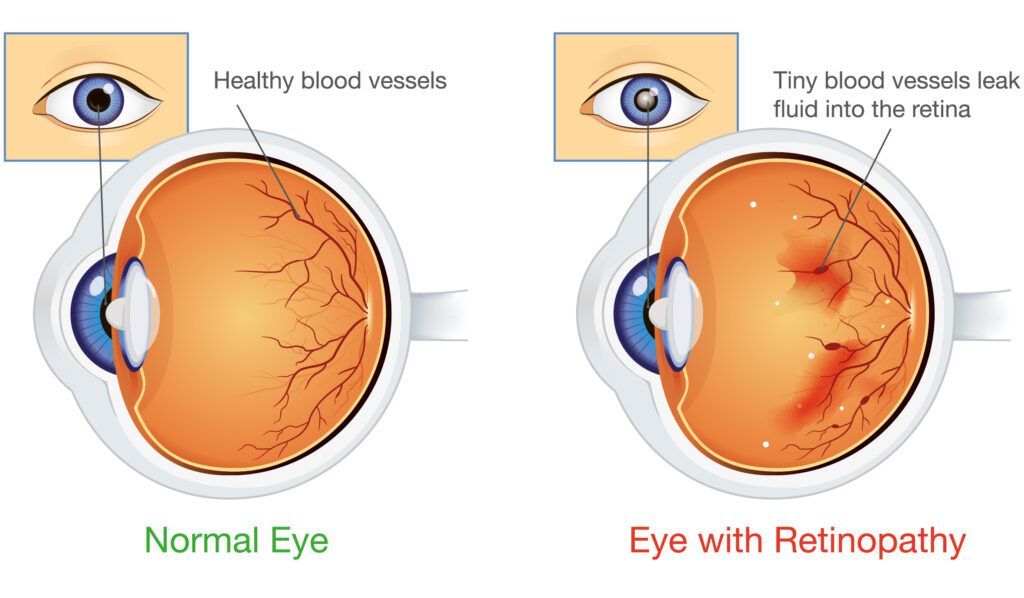
One of the things that sets our practice apart is the diagnostic technology we use as a standard part of every comprehensive exam. Our Optomap California-wide field digital retinal imaging system captures a panoramic view of your retina — the light-sensitive tissue at the back of the eye. This allows us to see a much larger portion of the retina in a single image than traditional methods, without requiring the dilation drops that many patients find uncomfortable.
We also use Optovue optical coherence tomography, or OCT, which creates detailed cross-sectional images of the layers of the retina. This technology allows us to detect very early signs of conditions like macular degeneration and glaucoma that might not be visible with a standard examination alone. We also use electronic refraction technology to precisely measure your prescription.
These are not add-ons or upsells. They are how we do eye care, because we believe that thorough means thorough.
The Examination with Your Doctor
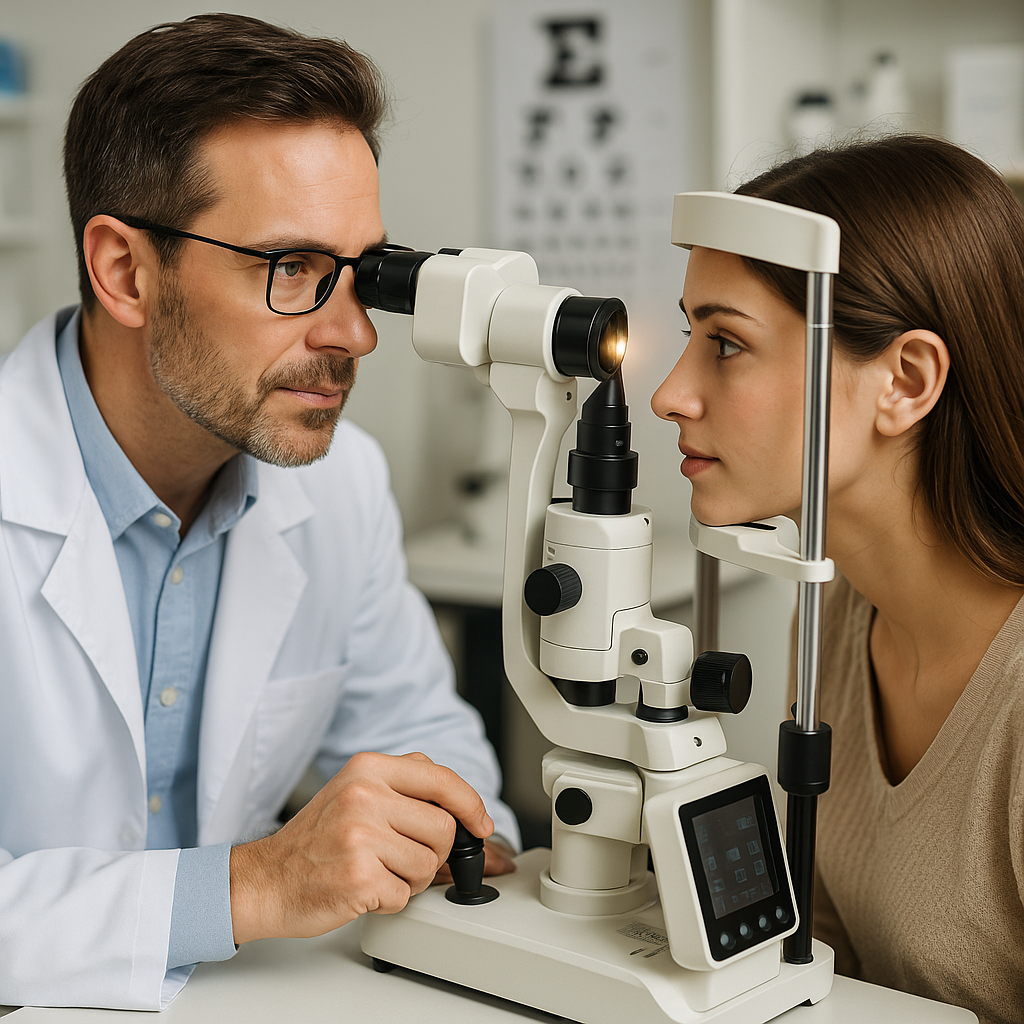
Once the preliminary tests are complete, you will see one of our doctors. They will review your test results with you, examine your eyes using a slit-lamp biomicroscope (the instrument you look into while the doctor examines different structures of your eye), and assess the health of your cornea, lens, retina, and optic nerve.
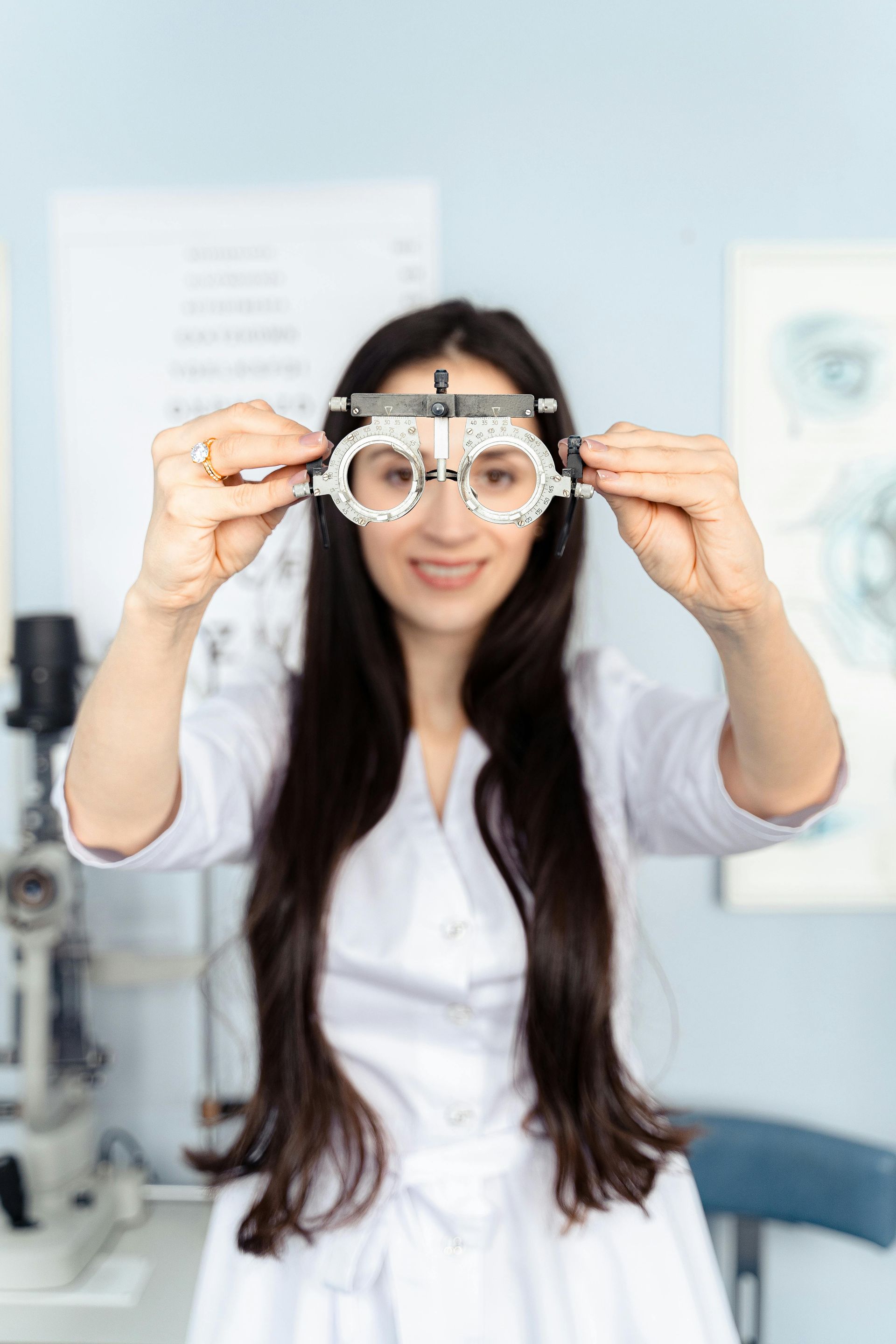
The refraction portion of the exam is the part most people remember — you will look through the phoropter, the device with multiple lenses, and answer a series of "which is better, one or two?" questions. This is how we determine your updated prescription for glasses or contact lenses. It is not a test you can fail, so relax and answer as honestly as you can.
The Conversation
After the examination, your doctor will take time to explain what they found. If everything looks healthy, they will tell you that and explain what to watch for in the future. If they notice anything that warrants closer monitoring — early signs of a condition, changes from a previous exam, or something that needs a referral — they will walk you through it clearly and without alarm. We believe you should leave your appointment with a complete understanding of your eye health, not more questions than you arrived with.
If you need glasses or a new prescription, our opticians will be available to help you explore our extensive frame selection. We carry a wide range of designer brands and can help you find something that suits both your prescription and your style.
How Long Does It Take?
Plan for about 45 minutes to an hour for a comprehensive exam. If you are being fitted for contact lenses for the first time, or if additional testing is needed based on your health history, it may take a bit longer. We will always let you know in advance.
Ready to Schedule?
We are accepting new patients and would genuinely love to have you. Whether you are coming in for the first time, returning after a long gap, or moving your care to a practice that will actually take the time to know you, we are here. You can reach us at (207) 284-6651 or contact us through our website to schedule your appointment in Biddeford. We look forward to meeting you.