
How Technology is Improving Vision Care in Maine
The latest breakthroughs enhancing care for every Maine patient

Advancements in technology are revolutionizing various aspects of healthcare, and vision care in Maine is no exception. From rural communities to urban centers, residents are experiencing improved access to eye care services and enhanced diagnostic capabilities. This blog explores how technology is shaping the future of vision care in Maine.
1. Telehealth Services for Convenient Eye Care
Telehealth has become a vital component of healthcare delivery, especially in rural areas where access to specialists may be limited. In Maine, several healthcare providers offer virtual eye care services, allowing patients to consult with optometrists and ophthalmologists from the comfort of their homes. For instance, MaineHealth provides virtual care appointments through their MyChart patient portal, enabling patients to discuss symptoms, receive prescriptions, and follow up on eye health concerns remotely. (MaineHealth)
2. Advanced Diagnostic Tools in Optometry Practices
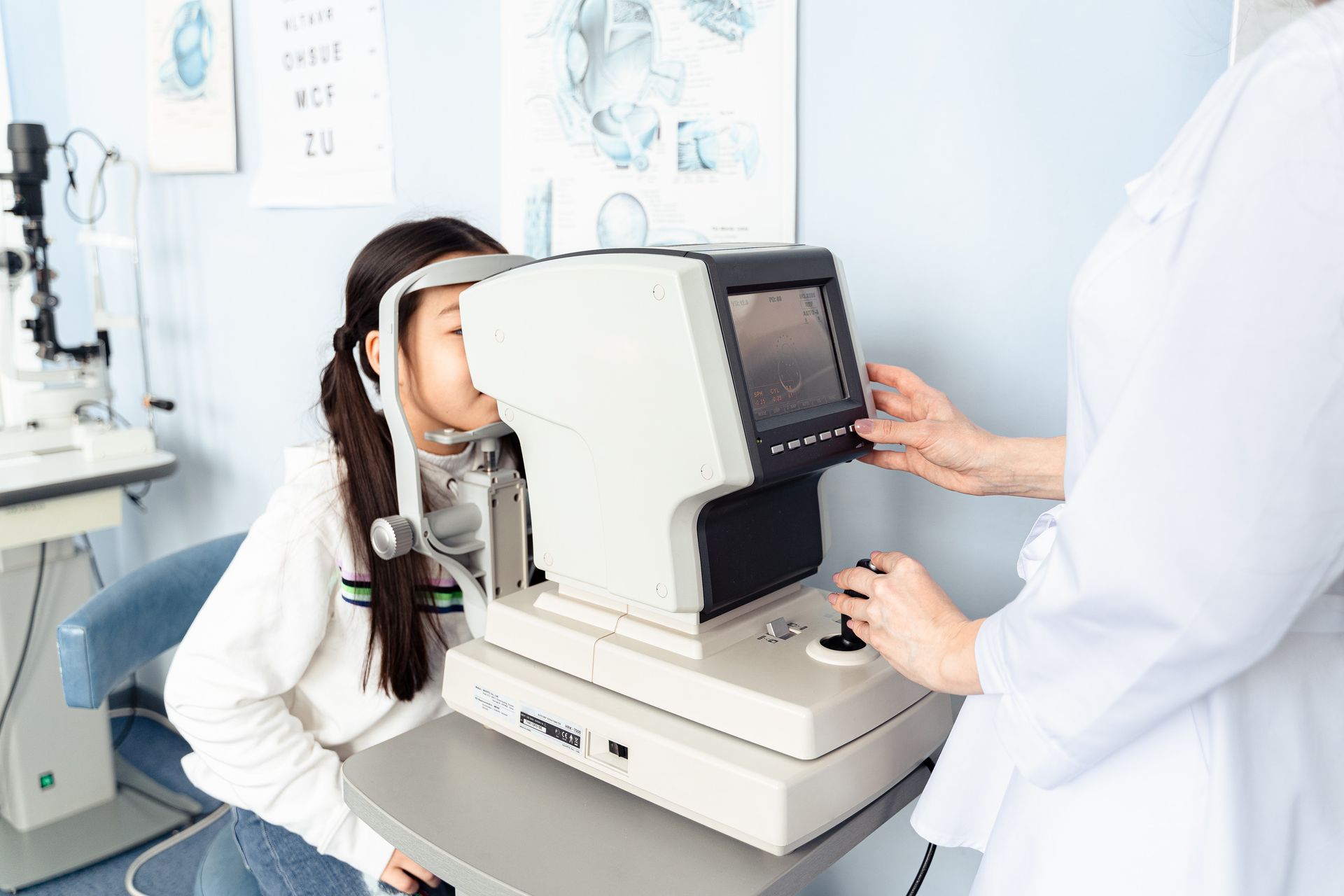
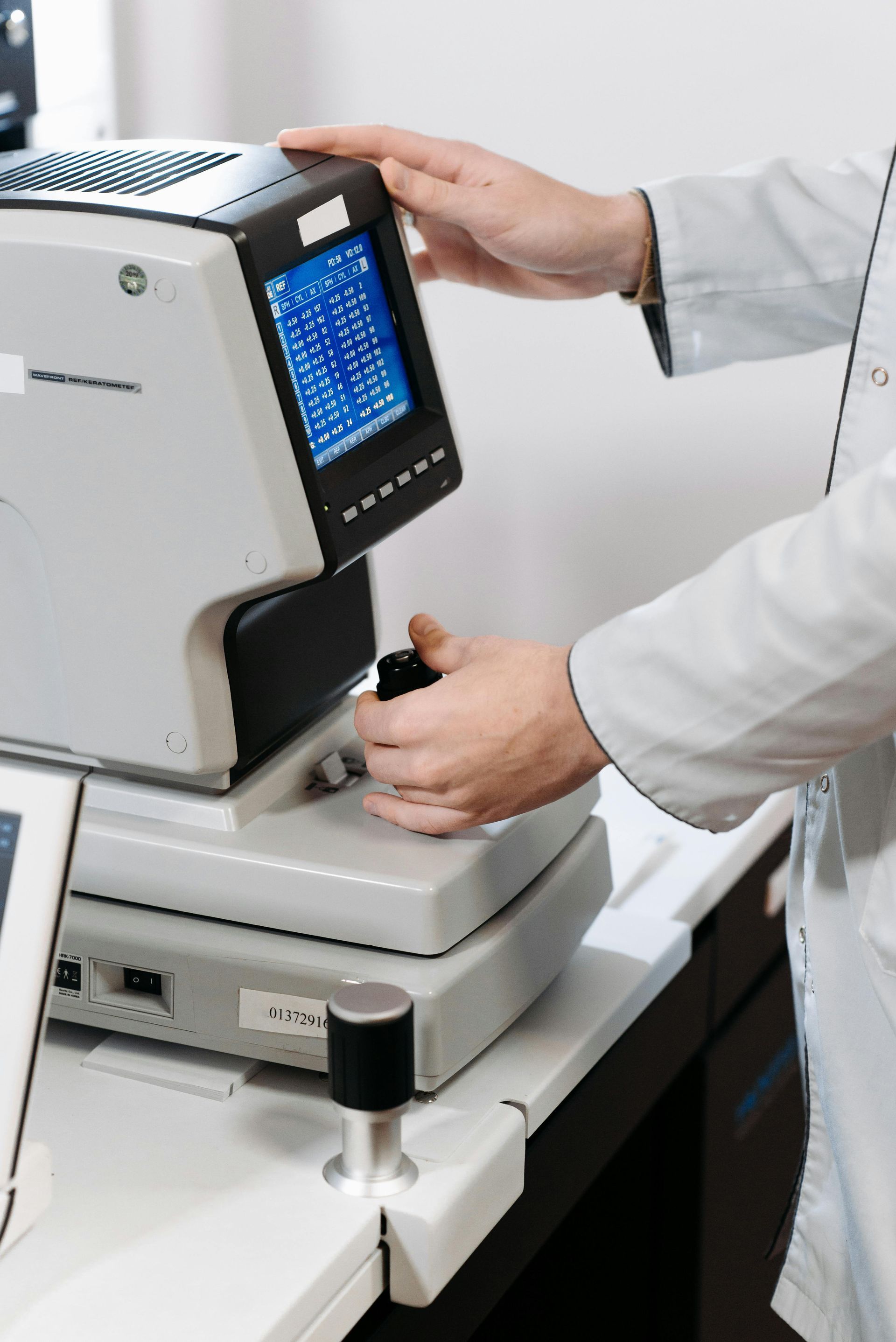
Optometry clinics across Maine are integrating state-of-the-art diagnostic equipment to enhance the accuracy of eye exams. Technologies such as Optical Coherence Tomography (OCT) and Diopsys® ERG vision tests allow for detailed imaging of the retina and assessment of retinal function, aiding in the early detection of conditions like glaucoma and macular degeneration. (Eye Care Eye Wear Center of Maine)
3. AI-Driven Retinal Screening for Early Disease Detection
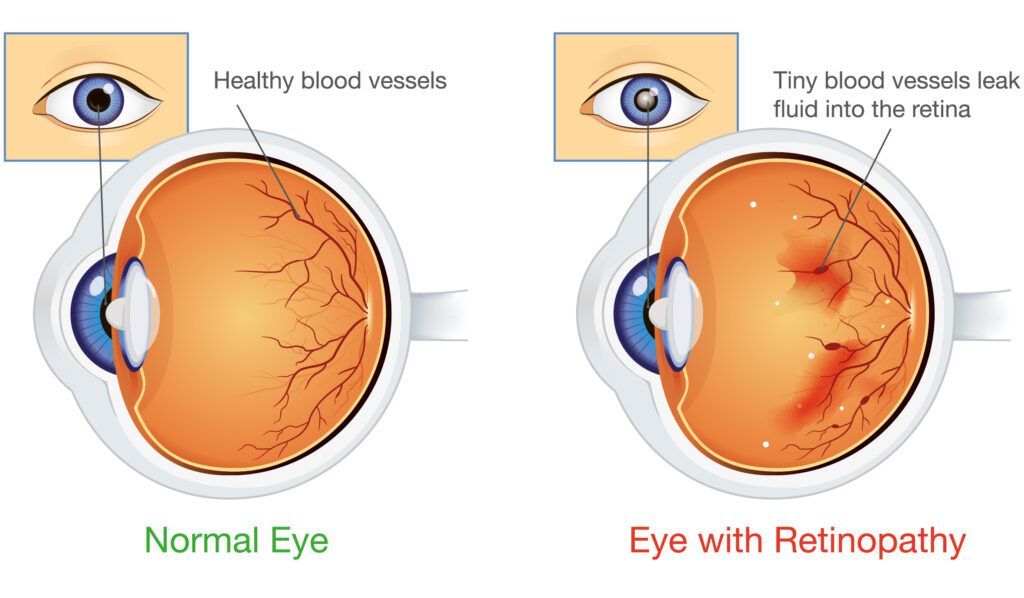
Artificial Intelligence (AI) is playing a significant role in community-based eye health initiatives. AI-driven retinal photography systems are being utilized to screen for eye diseases such as diabetic retinopathy and glaucoma. These systems analyze retinal images to identify abnormalities, facilitating early intervention and treatment. (arXiv)
4. Wearable Technology for the Visually Impaired
Innovative wearable devices are enhancing the quality of life for individuals with visual impairments in Maine. Devices like OrCam MyEye and MagicEye utilize artificial vision technology to assist users in reading text, recognizing faces, and navigating environments. These tools empower users to perform daily tasks independently, improving their overall well-being. (Wikipedia)
5. Remote Monitoring for Chronic Eye Conditions
Patients with chronic eye conditions such as glaucoma can benefit from remote monitoring technologies. Devices that measure intraocular pressure and monitor eye health parameters allow for continuous tracking, enabling timely adjustments to treatment plans and reducing the need for frequent in-person visits.
Conclusion:
Technology is significantly enhancing vision care in Maine, making eye health services more accessible and efficient. From telehealth consultations to advanced diagnostic tools and wearable assistive devices, residents have greater opportunities to maintain and improve their eye health. As these technologies continue to evolve, the future of vision care in Maine looks promising, offering residents innovative solutions for their eye health needs.