
How Nutrition Affects Your Eye Health: What Maine Residents Should Be Eating
The Eye-Diet Connection
How Nutrition Affects Your Eye Health: What Maine Residents Should Be Eating
How Nutrition Affects Your Eye Health: What Maine Residents Should Be Eating
When most people think about keeping their eyes healthy, they think about annual exams and updating their glasses prescription. But what you put on your plate plays a bigger role in your long-term vision than most people realize. The good news for Maine residents is that some of the best foods for eye health are already staples of life in the Northeast.
The Eye-Diet Connection
Your eyes are incredibly active organs. The retina, which processes the light that allows you to see, has one of the highest metabolic rates of any tissue in the body. That means it demands a steady supply of nutrients to function properly and protect itself from damage over time. A diet lacking in key vitamins and antioxidants has been linked to an increased risk of conditions like macular degeneration, cataracts, and dry eye disease — conditions we see and treat regularly here at Optometric Associates of Southern Maine.
Nutrients That Matter Most
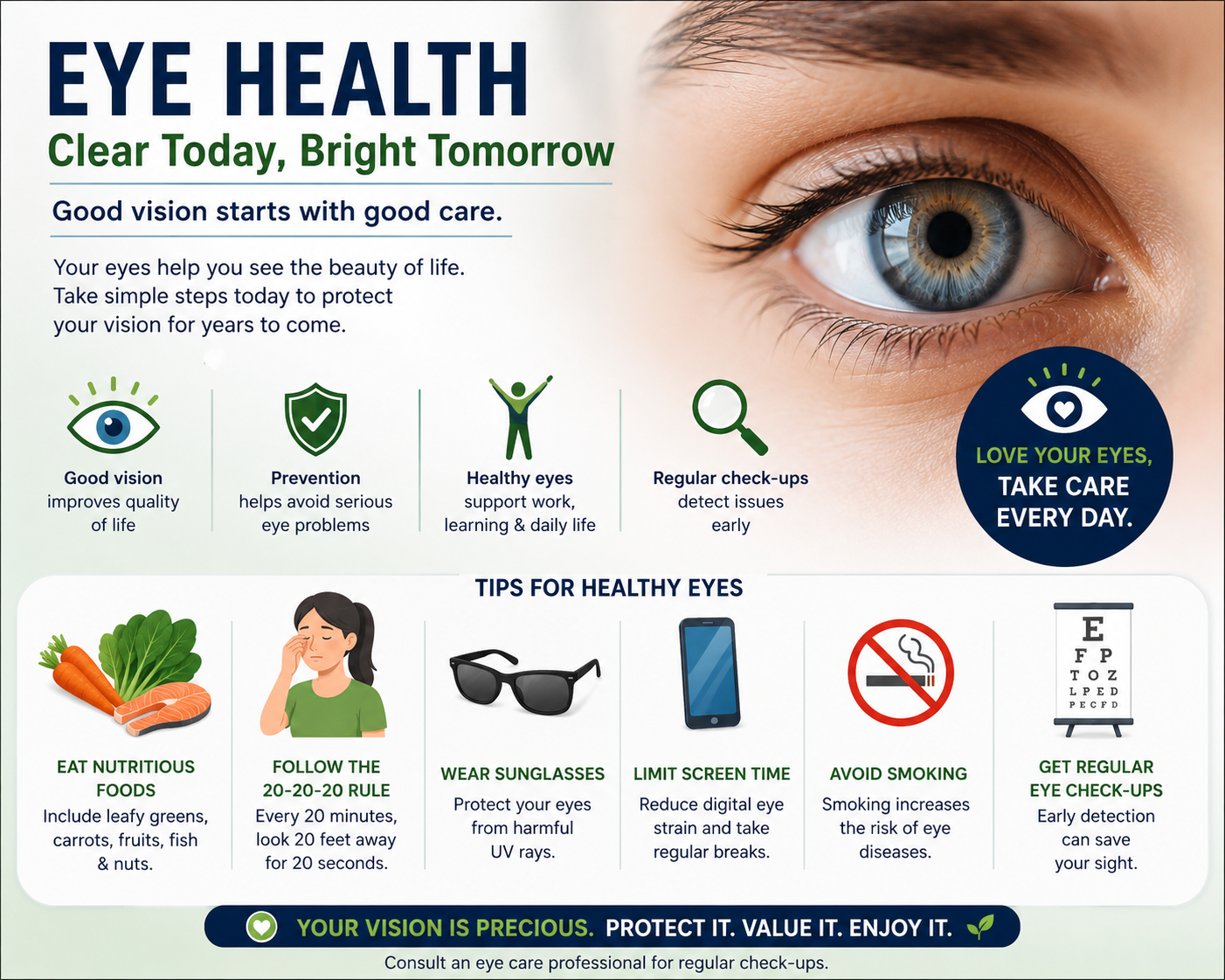
Lutein and Zeaxanthin are two of the most important nutrients for eye health and are found in high concentrations in the macula, the part of the retina responsible for your central, detailed vision. They act as natural sunblock for your eyes, filtering harmful blue light and reducing oxidative stress. Dark leafy greens like kale, spinach, and collard greens are the richest dietary sources. Eggs are another excellent option since the lutein in egg yolks is particularly well absorbed by the body.
Omega-3 Fatty Acids are essential for maintaining the health of the tear film that coats the surface of your eye. A deficiency in omega-3s is one of the contributing factors to dry eye disease, which is especially common in Maine given our cold, dry winters and windy coastal climate. Fatty fish like salmon, mackerel, sardines, and tuna are the best sources. For those who do not eat fish regularly, flaxseed oil and walnuts offer plant-based alternatives.
Vitamin A and Beta-Carotene are critical for maintaining the health of the cornea and for producing rhodopsin, a pigment in the eye that allows you to see in low-light conditions. Sweet potatoes, carrots, butternut squash, and cantaloupe are all excellent sources of beta-carotene, which the body converts into vitamin A as needed.
Vitamins C and E are powerful antioxidants that help protect the lens of the eye from oxidative damage, which is a key driver of cataract development. Citrus fruits, bell peppers, strawberries, and broccoli are great sources of vitamin C. Almonds, sunflower seeds, and avocados are rich in vitamin E.
Zinc is a mineral that helps vitamin A produce protective pigment in the eyes and supports overall retinal health. Oysters are one of the best sources — very fitting for coastal Maine — along with beef, pumpkin seeds, and chickpeas.
What to Limit
Just as certain foods support eye health, others can work against it. Diets high in processed foods, refined sugars, and trans fats have been associated with higher rates of macular degeneration and diabetic eye disease. Excessive alcohol consumption can deplete the body of nutrients important for vision, particularly zinc and vitamin B12. And if you have high blood pressure or diabetes, managing those conditions through diet directly protects the small blood vessels that supply your eyes.
A Maine Advantage
Living in Maine gives you access to some truly outstanding eye-healthy foods. Fresh wild-caught fish from local waters, seasonal blueberries packed with antioxidants, farm stands full of leafy greens and squash, and seafood like oysters and clams all align beautifully with what research says our eyes need. Eating locally and in season is not just good for the environment — it may be good for your vision, too.
Nutrition Supports, But Does Not Replace, Regular Eye Care
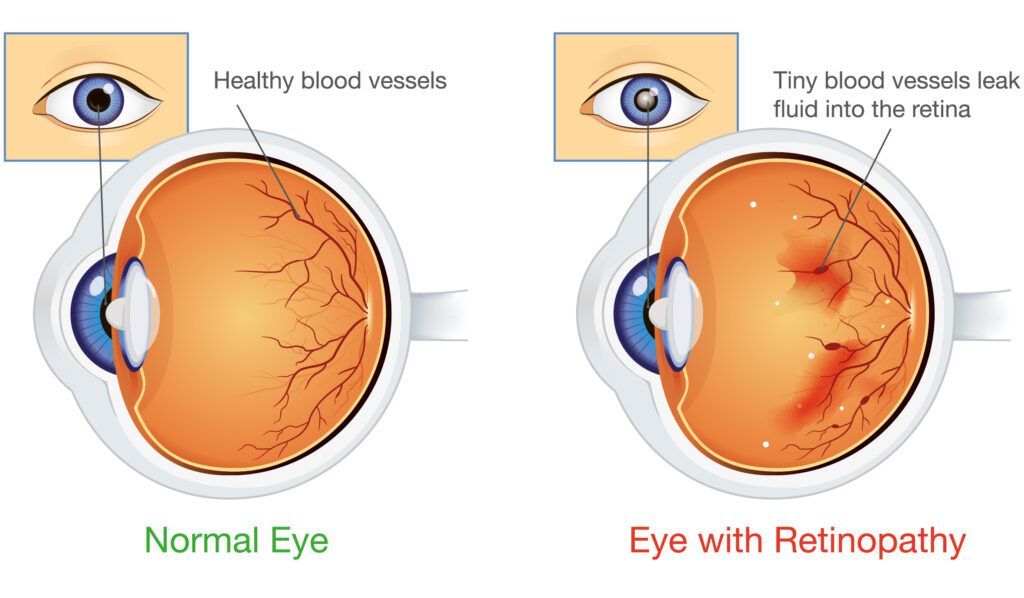
A healthy diet is one powerful piece of the puzzle, but it cannot detect early signs of glaucoma, macular degeneration, or diabetic retinopathy — only a comprehensive eye exam can do that. Many serious eye conditions develop without any noticeable symptoms in their early stages, which is why routine visits with your optometrist remain essential no matter how well you eat.
If you have questions about your eye health or it has been more than a year since your last exam, we encourage you to contact Optometric Associates of Southern Maine in Biddeford. We are happy to discuss your eye health history, risk factors, and what steps — dietary and otherwise — can help protect your vision for years to come.