
Dry Eye vs. Allergies: How to Tell the Difference (and What to Do About It)
Learn about Dry Eye.
Dry Eye vs. Allergies: How to Tell the Difference (and What to Do About It)
Every spring and summer, our phones start ringing with patients who are convinced their eyes are acting up from allergies. Sometimes they are right. But often, what feels like allergy season is actually a flare-up of dry eye disease — or a combination of both. Knowing the difference matters because the treatments are not the same, and using the wrong approach can make things worse.
Why This Confusion Happens
Dry eye disease and ocular allergies share several symptoms: redness, irritation, watery or teary eyes, and a general sense that something is off. In Maine, where pollen counts spike in spring, ragweed surges in late summer, and the cold air of fall and winter strip moisture from everything, patients often experience both conditions at the same time. Even your eye care provider cannot always tell them apart without a closer look.
Signs That Point Toward Allergies
Ocular allergies are an immune response. When allergens like pollen, pet dander, mold, or dust mites contact the surface of the eye, the immune system releases histamine, which triggers inflammation in the conjunctiva — the clear tissue covering the white of the eye and lining the inner eyelids.
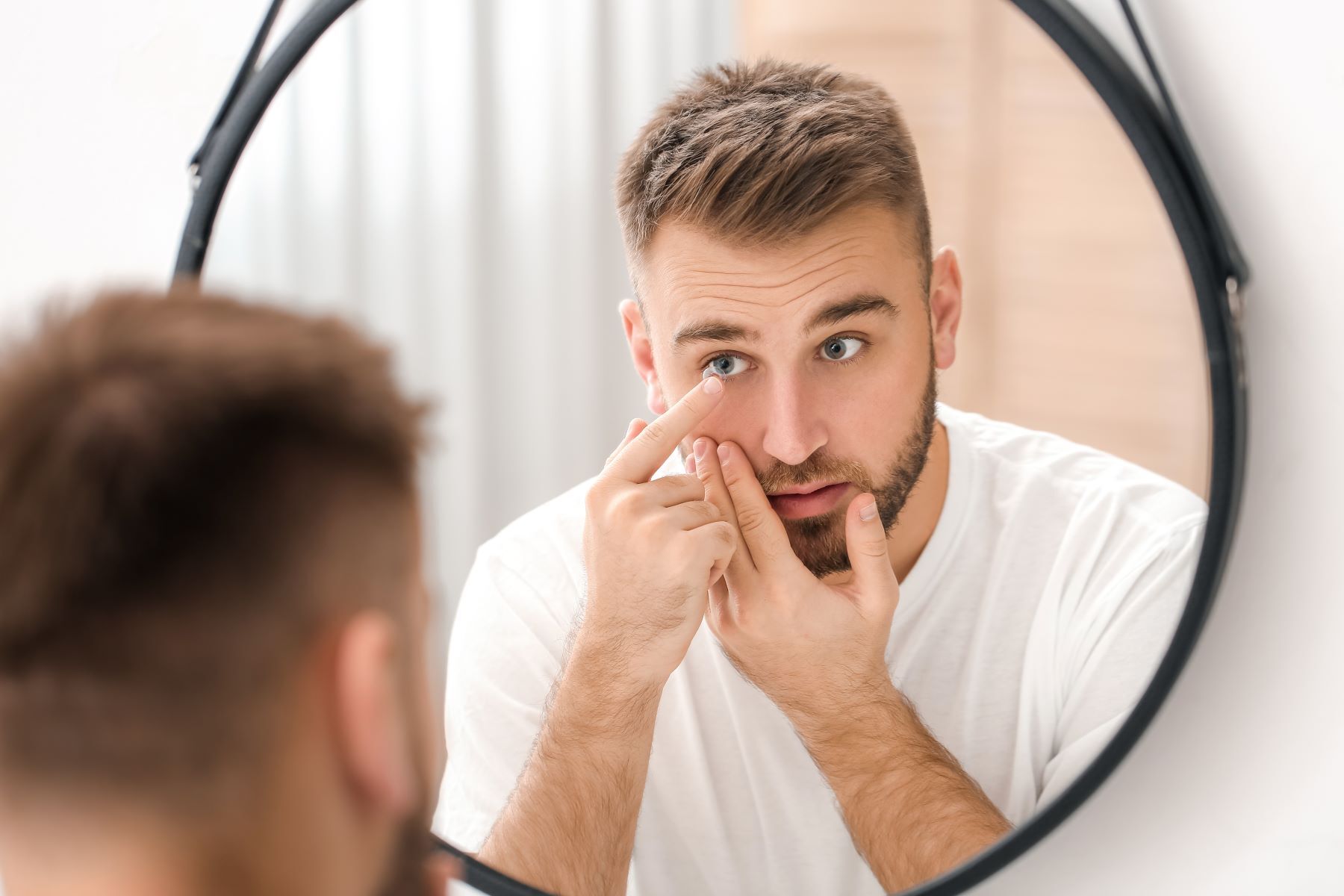
The hallmark symptom of allergic eye disease is itching. If your primary complaint is that your eyes itch intensely and you constantly rub them, allergies are a likely culprit. Other signs include redness that appears quickly after exposure to a trigger, excessive watering or tearing, swollen or puffy eyelids, and a sensation of your eyes feeling "full." Nasal symptoms such as sneezing and a runny nose often accompany ocular allergies, as the same allergens typically affect both the eyes and the nose.
Symptoms tend to be seasonal for many patients, flaring up when tree pollen peaks in May, grass pollen rises in early summer, or ragweed dominates late August through October. However, if you are sensitive to indoor allergens like dust mites or pet dander, you may experience symptoms year-round.
Signs That Point Toward Dry Eye
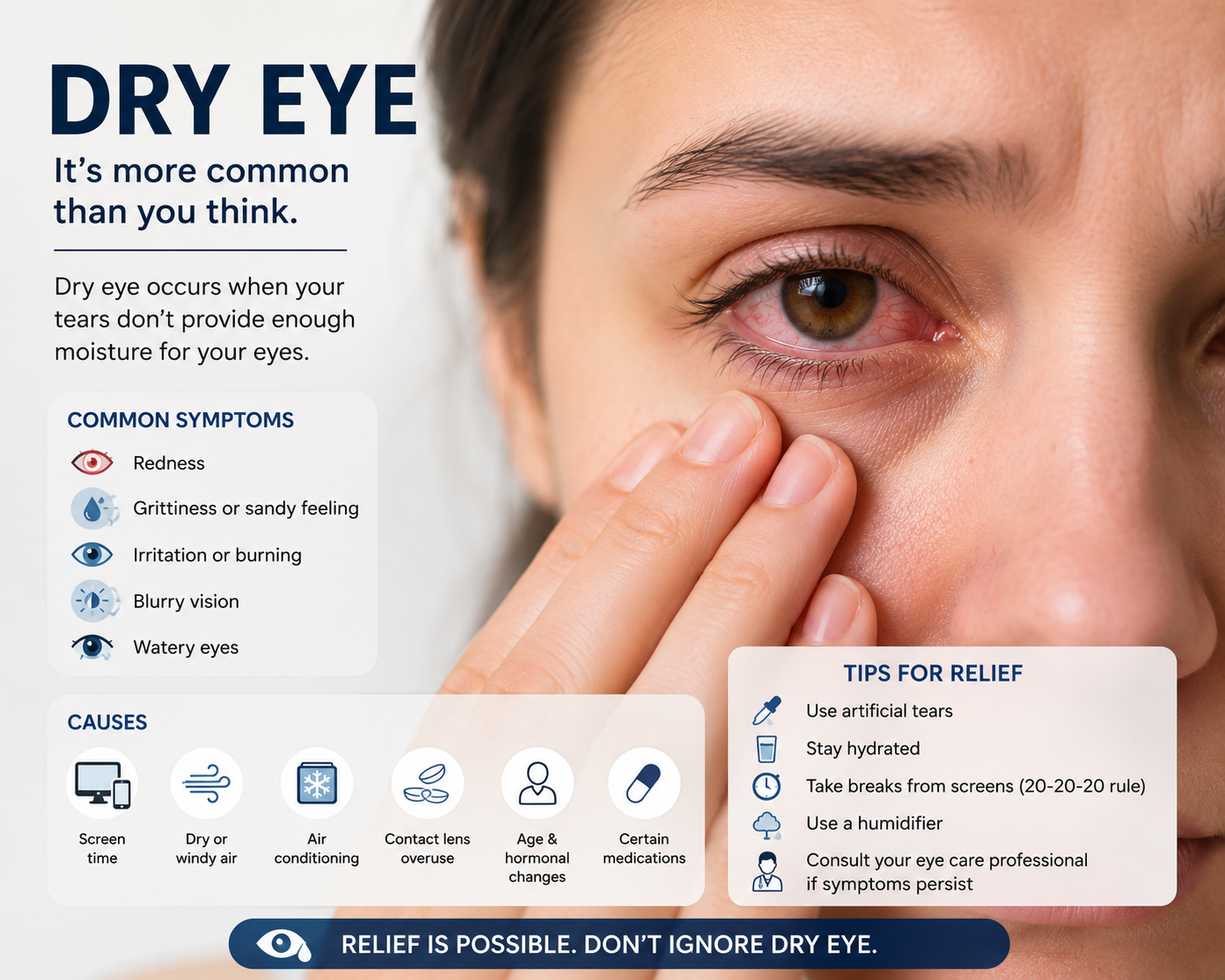
Dry eye disease occurs when the eye either does not produce enough tears or produces tears of poor quality that evaporate too quickly. The result is an unstable tear film that leaves the eye's surface inadequately lubricated.
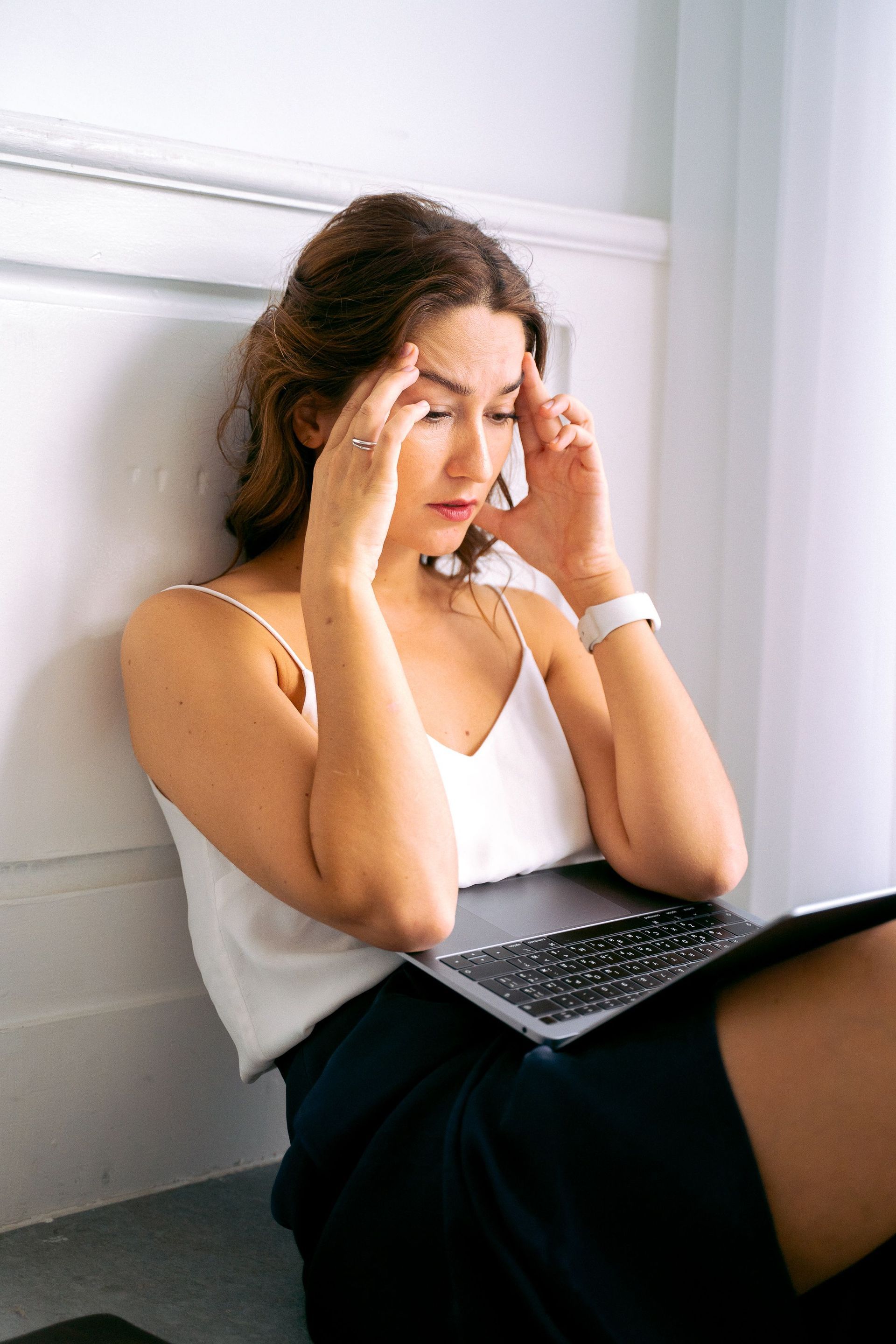
Rather than intense itching, dry eye patients typically describe a burning or stinging sensation, a gritty or scratchy feeling like there is sand in the eye, and eyes that feel tired or heavy — especially after prolonged screen time, reading, or driving. Blurred vision that comes and goes, particularly at the end of the day or in certain environments, is also common. Paradoxically, dry eye can cause excessive tearing because the eye overproduces watery reflex tears in response to dryness and irritation. However, these tears do not resolve dryness because they lack the oily component needed to remain on the eye's surface.
Dry eye symptoms are often worse in specific environments: heated or air-conditioned rooms, windy conditions, during long drives, in front of screens, and in the dry air of Maine winters. If your symptoms improve with artificial tears or worsen in those environments, dry eye is likely playing a significant role.
When It Is Both
Many patients have overlapping conditions. Allergic inflammation can disrupt the ocular surface and worsen dry eye. Conversely, patients with dry eye have a more reactive ocular surface that is more sensitive to allergens. During allergy season, it can be genuinely difficult to separate the two without a professional evaluation.
What You Can Do
For allergy-driven symptoms, over-the-counter antihistamine eye drops can provide relief. Avoiding rubbing your eyes — as tempting as it is — is important because it releases more histamine and worsens inflammation. Cold compresses can help reduce swelling and discomfort. Wearing wraparound sunglasses outdoors reduces direct exposure of the eye surface to allergens.
For dry eye, lubricating eye drops (artificial tears) are the first-line treatment. Look for preservative-free formulas if you use them more than 4 times a day. Staying well hydrated, using a humidifier during dry months, taking breaks from screens using the 20-20-20 rule (every 20 minutes, look at something 20 feet away for 20 seconds), and increasing omega-3 fatty acids in your diet can all support tear production.
Be cautious with redness-relieving eye drops that contain vasoconstrictors. These may temporarily reduce the appearance of redness but do not address the underlying cause, and with frequent use, they can actually worsen redness over time.
When to See Your Optometrist
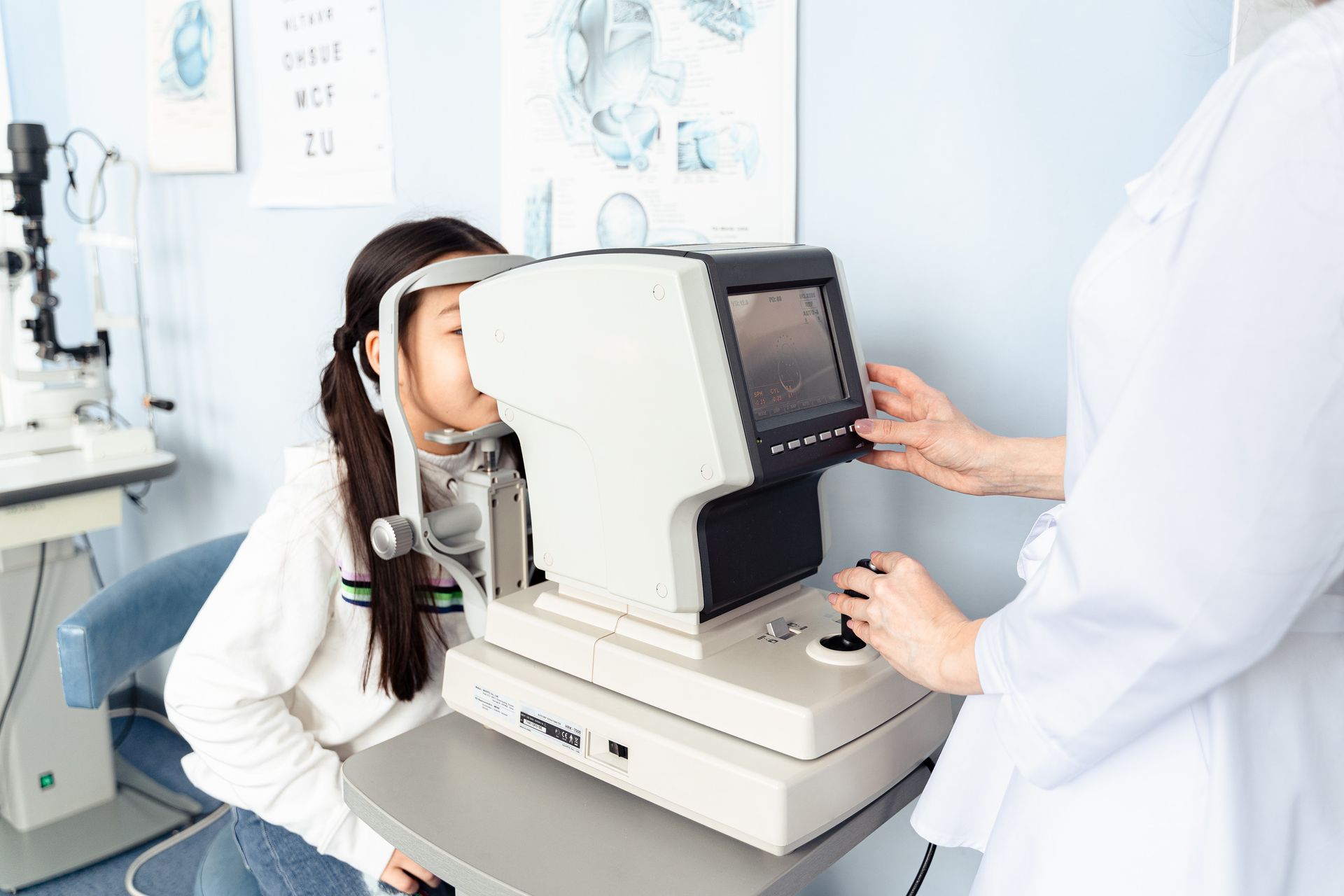
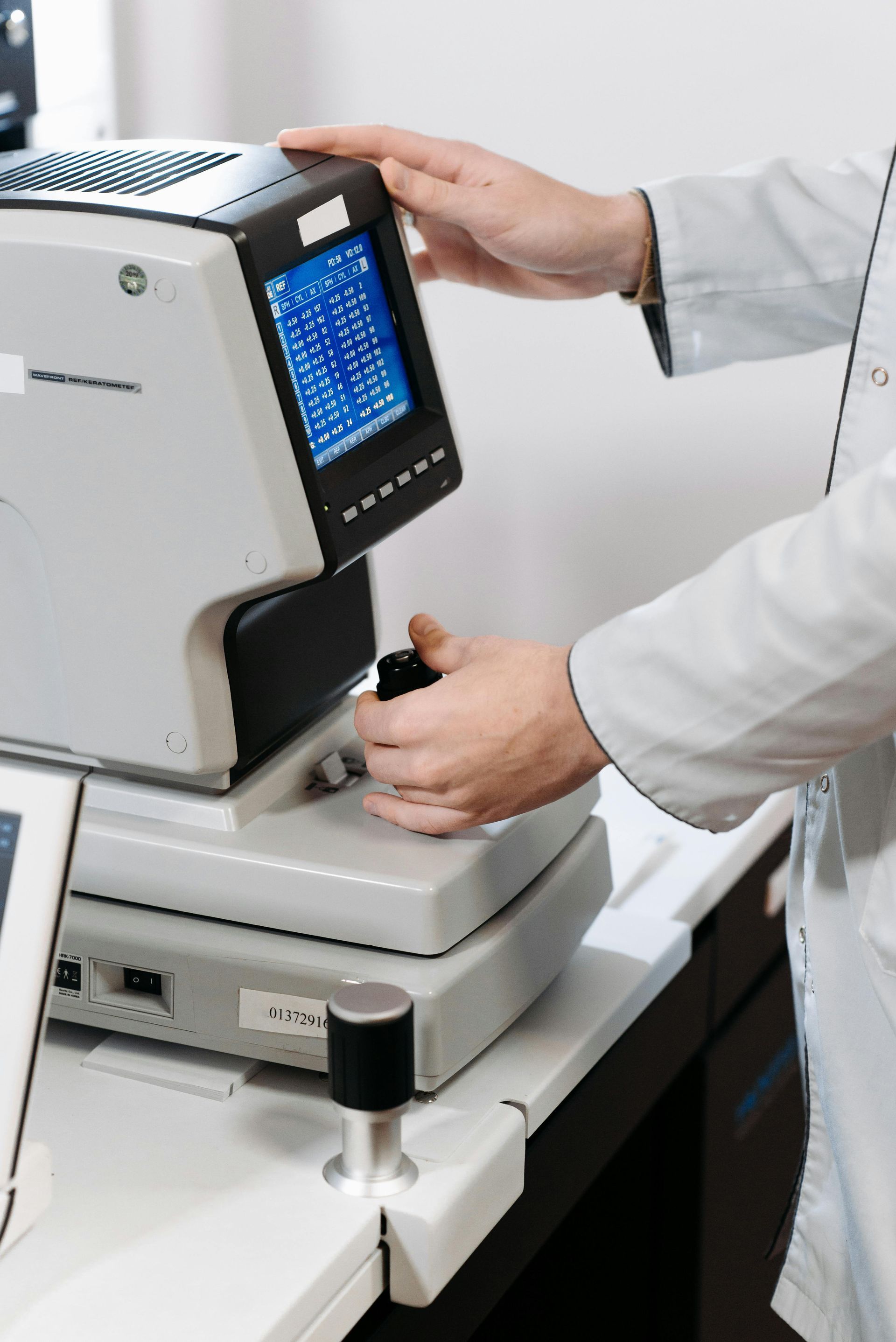
If your symptoms have lasted more than a week or two, are not responding to over-the-counter remedies, are interfering with daily activities, or seem to be getting worse, it is time to come in. We can examine the surface of your eye, assess the quality and quantity of your tears, check for signs of allergic inflammation, and put together a treatment plan tailored to what is actually going on.
At Optometric Associates of Southern Maine, we treat dry eye disease as part of our regular patient care. We understand how significantly it can affect your comfort and quality of life, and we take it seriously. If you have been managing red, irritated, or uncomfortable eyes on your own without lasting relief, we would love to help you figure out what is really happening and get you feeling better.