
The Impact of Digital Screens on Your Eyes

How Screens Impact Our Eyes and Vision
Our lives now revolve around smartphones, desktop computers, and other digital gadgets that force us to stare at screens for longer durations. This digital light exposure subjects our eyes to a constant engagement with the world around us, challenging our health with yet another problem: digital eye strain (DES).
To maintain optimal vision, which is necessary, you should be aware of how screens impact your eye health.
The Impact of Digital Screens
Digital devices at distances too close or at angles can force your eyes to work harder. That is, the ideal viewing distance for screens is about 20–24 inches from your eyes, with the screen positioned slightly below eye level. However, this can affect our routine lives more than a simple irritation.
Some of the impacts the digital screens can bring you include:
Blue Light Exposure
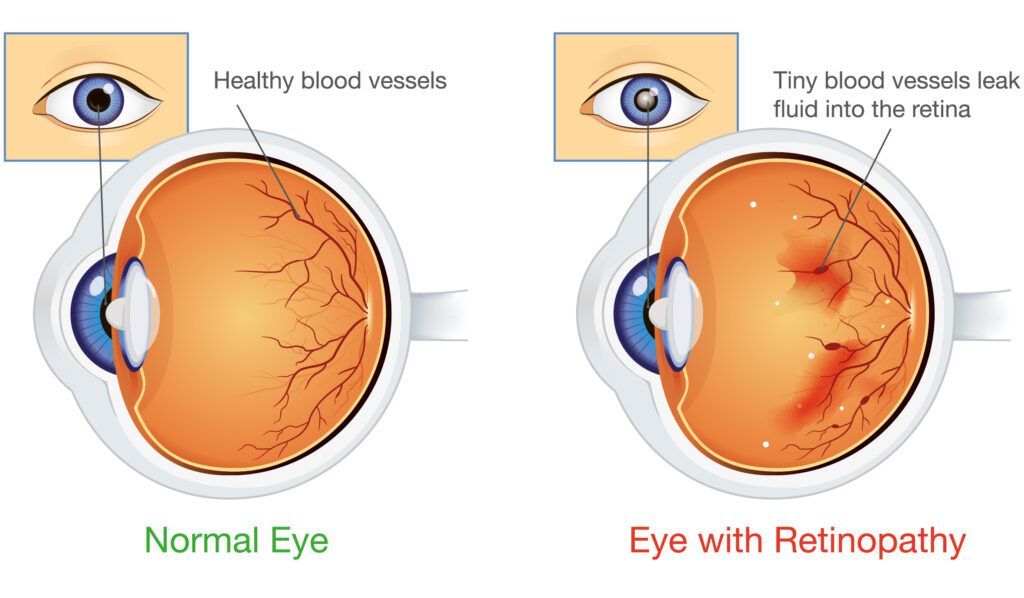
Blue light’s excessive exposure to your eyes can disrupt the sleep-wake cycle, developing DES, also called computer vision syndrome. This can cause severe damage to the retina, increasing the risk of macular degeneration.
Decreased Blink Rate
Constant use of the screen decreases the blink rate drastically, leading to dry eyes, blurry vision, and irritation. Normally, a human eye blinks about 15–20 times per minute, and focusing on the screen for a long time can bring it down to 5–7 blinks per minute. This is important because blinking allows your eyes to surface to stay moist and comfortable.
Increased Nearsightedness (Myopia)
The close proximity to the screen can make your eyes strain more to focus, causing your eyes to get elongated. This condition is called myopia, where objects at a distance can appear blurry. Additionally, the reduced amount of time spent outdoors, which is often associated with increased screen time, may also play a role in the development of nearsightedness.
Headaches
Some people experience throbbing or pounding headaches, while others may feel a dull, persistent ache. The strain on eye muscles, combined with factors like poor posture, inadequate lighting, and stress, can trigger or worsen existing ones.
Difficulty in Concentrating
When our eyes are strained and uncomfortable, it becomes challenging to focus on tasks, process information, and retain information. This can lead to reduced cognitive function, decreased attention span, and increased errors at work.
Reducing the Impact of Digital Eye Strain
Simple exercises for your eyes can help you reduce stress by shifting the focus periodically. Also, adjusting the brightness of your device to match your environment and increasing the screen’s contrast can help your eyes have less strain. You can also try using the night mode, which will automatically change the device’s brightness to its ambient light.
Many digital devices provide settings that limit blue light exposure, with which you can reduce the quantity of blue light emitted by screens. Moreover, if you use glasses, then adding anti-reflective lenses can help reduce glare from displays, allowing your eyes to be more relaxed.
Additionally, regular eye exams are essential for maintaining good eye health. An optometrist can help identify any potential vision problems and recommend strategies or prescription lenses to alleviate digital eye strain.
By having regular eye checkups, optometrists at Optometric Associates of Southern Maine can detect any early signs of strain or vision issues related to screen use. Schedule your visit today!