
Can You Have 20/20 Vision and Still Have an Eye Problem?
Why clear vision does not always mean healthy eyes
If you can read the eye chart clearly, you might assume your eyes are healthy. But 20/20 vision does not rule out eye disease. Some conditions can develop without noticeable symptoms, which is one reason comprehensive eye exams matter even when your eyesight seems fine.
What Does 20/20 Vision Actually Mean?
20/20 vision describes how clearly you can see at a standard testing distance. It does not measure every aspect of your vision or tell you whether all the structures inside your eyes are healthy.
You can have clear central vision and still have an eye condition that needs attention. An eye chart alone cannot provide a complete picture of your eye health.
Can You Have Glaucoma With 20/20 Vision?
Yes. Glaucoma can develop without obvious early symptoms, and it often affects peripheral, or side, vision first. Because these changes may happen gradually, you might not notice a problem right away.
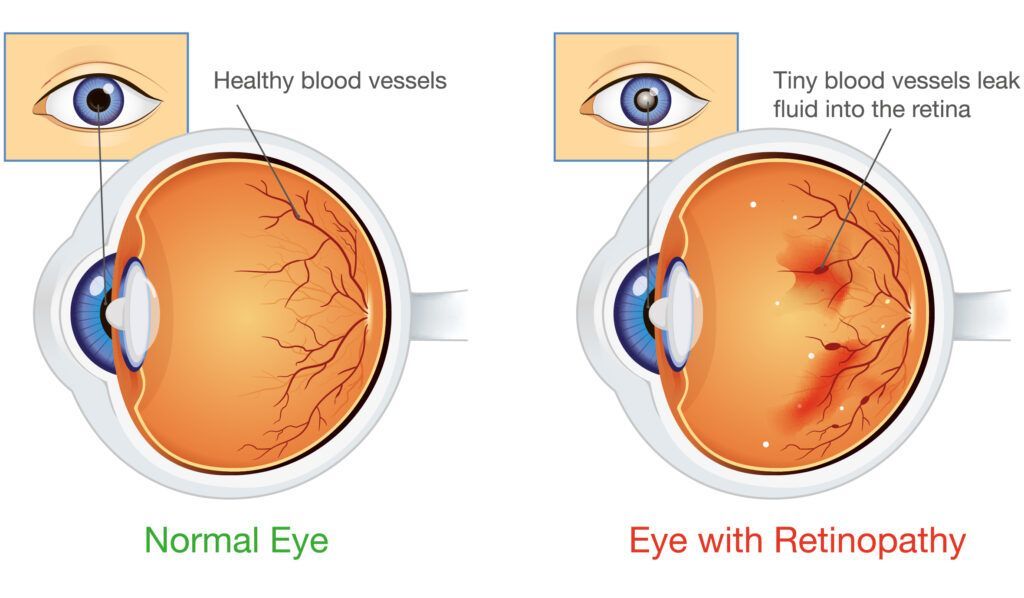
Other eye conditions, including diabetic retinopathy and age-related macular degeneration, may also develop before you notice changes in your vision. Early detection can help your eye doctor identify problems and discuss appropriate care.
How Can an Eye Doctor Check Eye Health Beyond an Eye Chart?
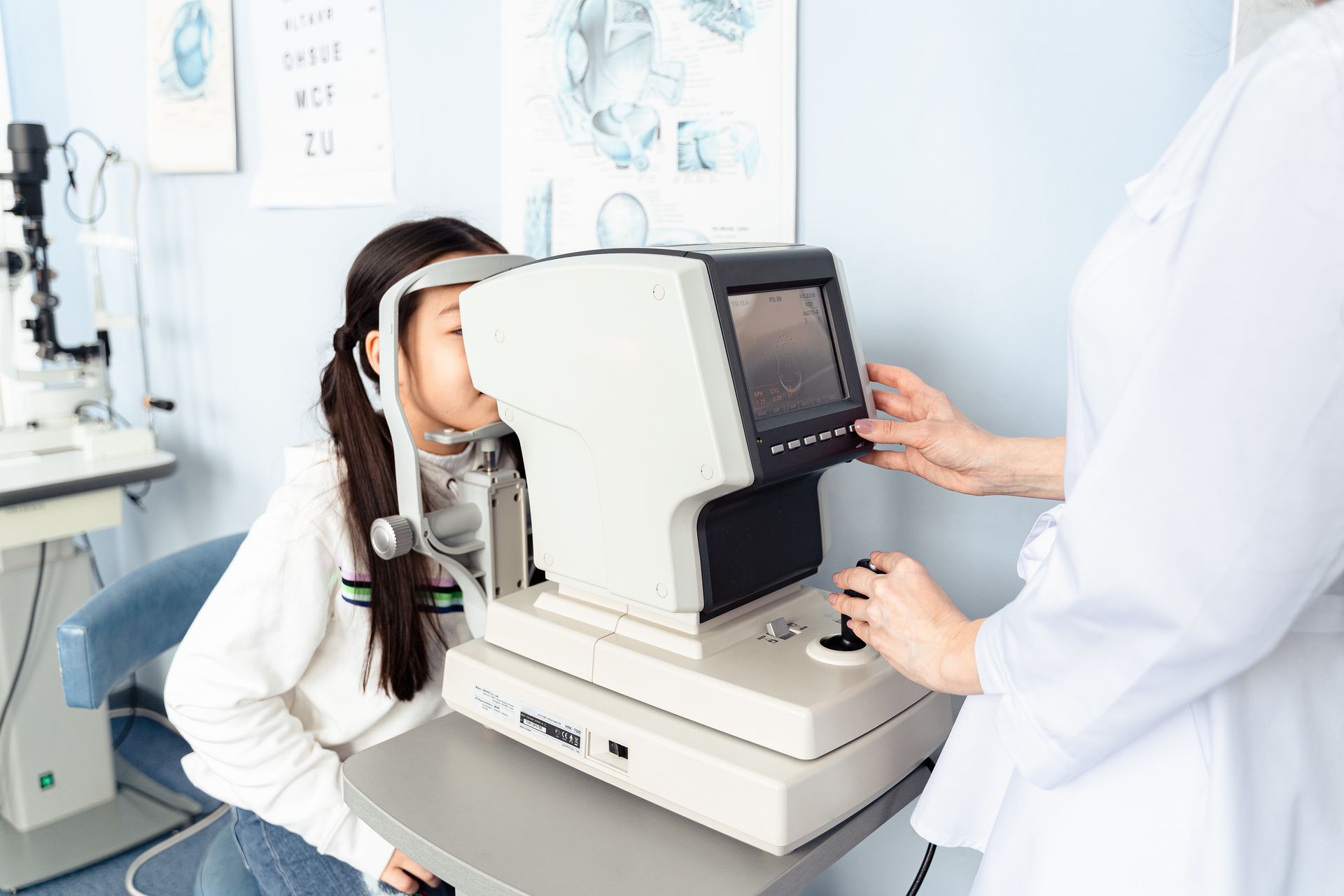
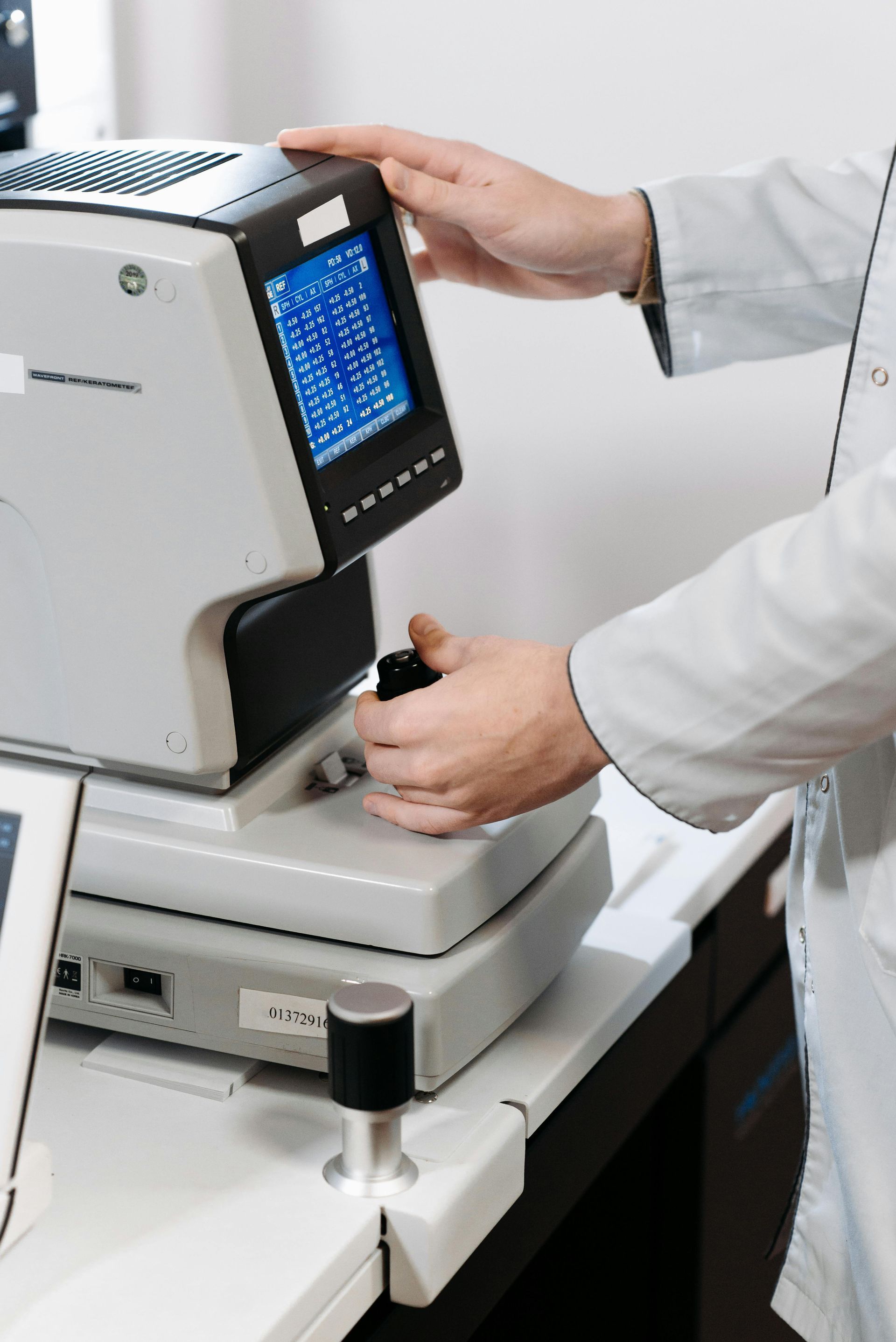
A comprehensive eye exam evaluates more than how clearly you can read letters. Depending on your needs, your exam may include:
• Vision testing to assess how clearly you see and whether you need a prescription change.
• Eye pressure measurement to help evaluate your risk for glaucoma. Eye pressure alone cannot diagnose or rule out glaucoma.
• Retinal and optic nerve evaluation to look for signs of eye disease.
• Additional diagnostic imaging or testing when appropriate to get a closer look at the structures inside your eyes.
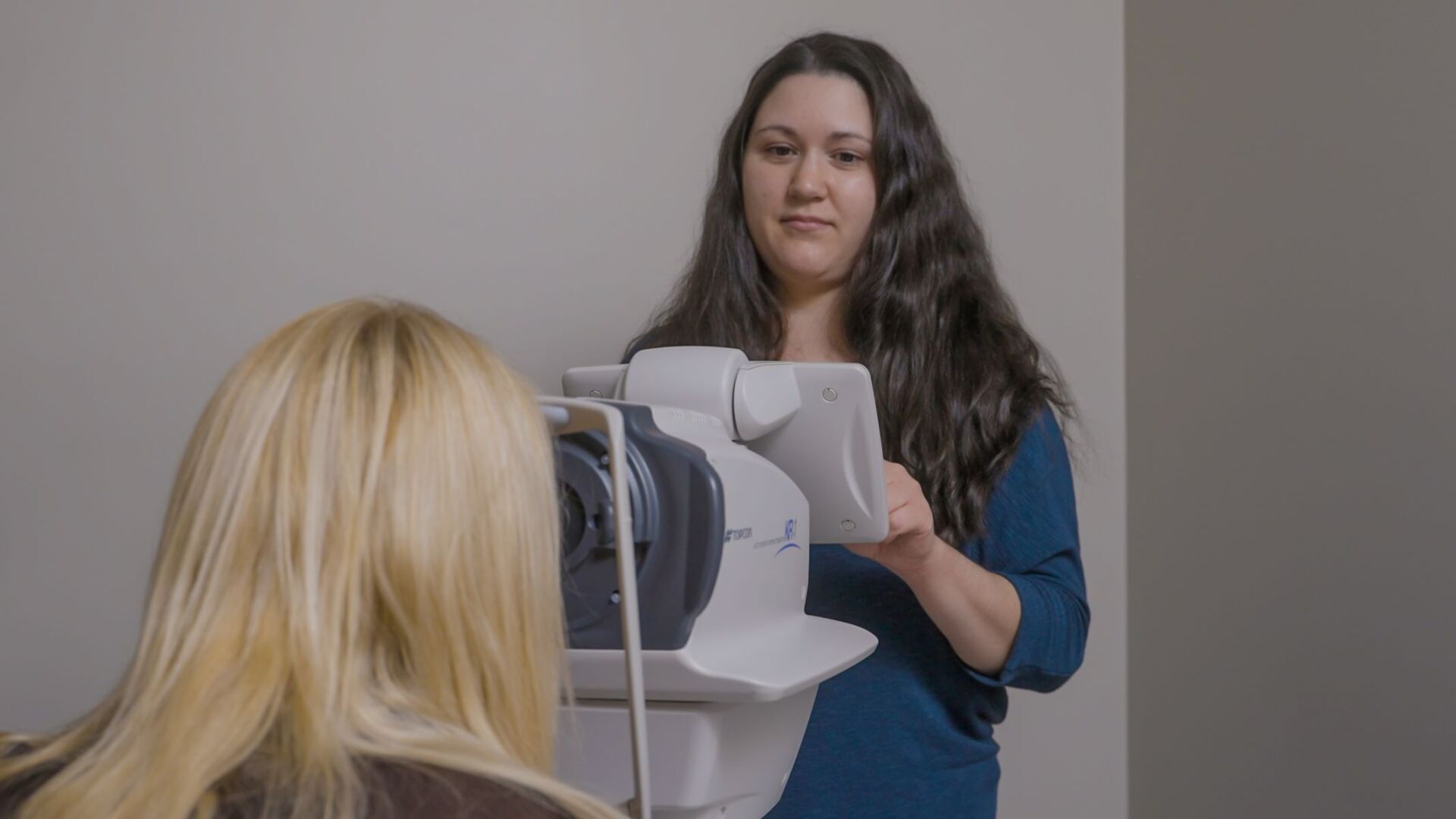
At Optometric Associates of Southern Maine, comprehensive exams may include advanced diagnostic technology such as Optomap wide-field retinal imaging and optical coherence tomography (OCT). Your eye doctor can determine which tests are appropriate for your individual needs.
Learn more about our comprehensive eye exams and eye health services.
How Often Should You Have an Eye Exam?
The right schedule depends on your age, medical history, family history, and risk factors. People with diabetes, a family history of glaucoma, or other eye health concerns may need more frequent monitoring. Your eye doctor can recommend an exam schedule based on your individual needs.
Even if you see clearly and have no symptoms, do not assume you can skip routine eye care. An exam can help identify changes that may not be obvious in everyday life.
Protect Your Vision With Comprehensive Eye Care in Southern Maine
Clear vision is important, but healthy eyes involve more than reading the smallest line on an eye chart. Regular comprehensive eye exams help your eye care provider evaluate your vision, check for signs of disease, and identify concerns that may need further attention.
Optometric Associates of Southern Maine provides personalized eye care in Biddeford, with services for patients in Sanford, Scarborough, and surrounding communities.
Have questions about your eye health or need to schedule an exam? Visit our contact page or call (207) 284-6651 to connect with our team.